Quantum 2048
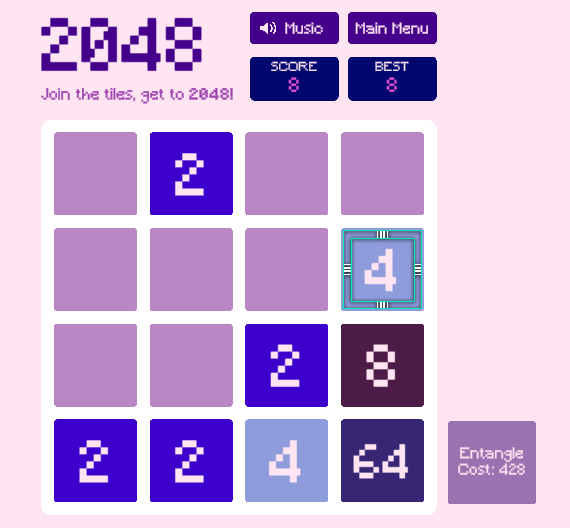 Quantum 2048 is a special version of the classic game 2048, with a quantum twist. The rules of the game entangle, shift and tunnel as you use the principles of quantum mechanics and try to get the mythical 2048 tile (and even beyond).

Quantum 2048 is a special version of the classic game 2048, with a quantum twist. The rules of the game entangle, shift and tunnel as you use the principles of quantum mechanics and try to get the mythical 2048 tile (and even beyond).
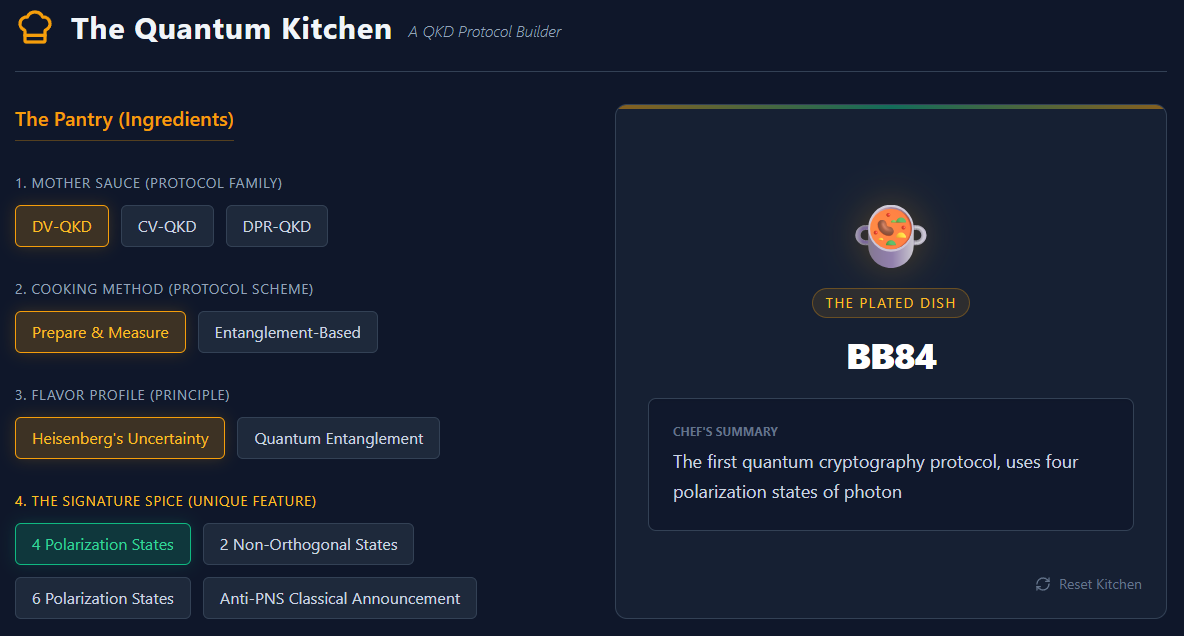 QKD Kitchen is an interactive web-based visualizer designed to demystify Quantum Key Distribution. In quantum cryptography, there are three primary families of protocols that serve as the foundation for modern implementations. If you are familiar with French cooking, think of these core QKD algorithms as Mother Sauces: foundational recipes that can be altered, built upon, and refined to create a plethora of useful alternatives (like turning an Espagnole into a Bordelaise). This platform provides an intuitive, step-by-step visual breakthrough of how security is established over quantum channels using these fundamental concepts. I enjoy low-stakes vibe coding.
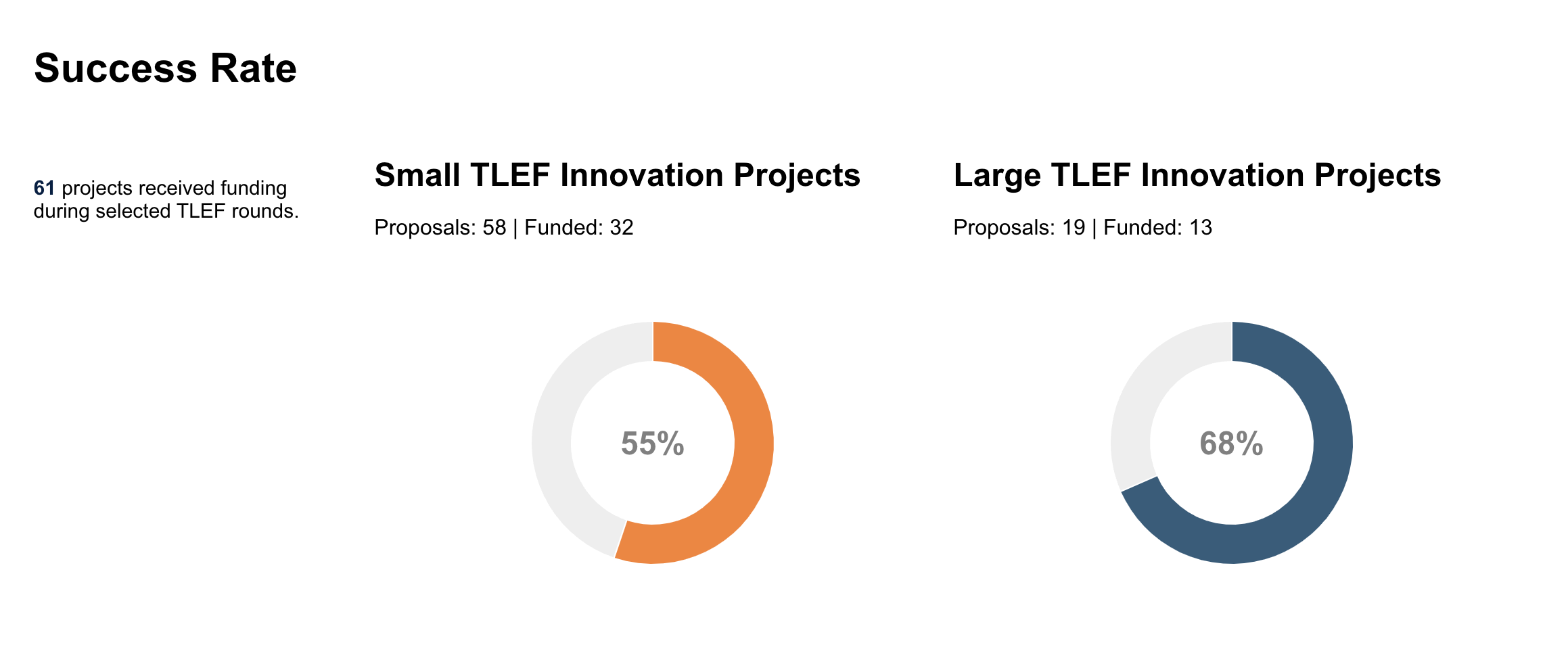 The Grant Program Analytics prototype aims to increase the discoverability of funds that are used to enrich student learning. The prototype leverages AWS technology to move data storage to the cloud and simplify data cleaning processes, and innovates on the structure and presentation of data with advanced filtering and dynamic views. Here’s the link to the full article.
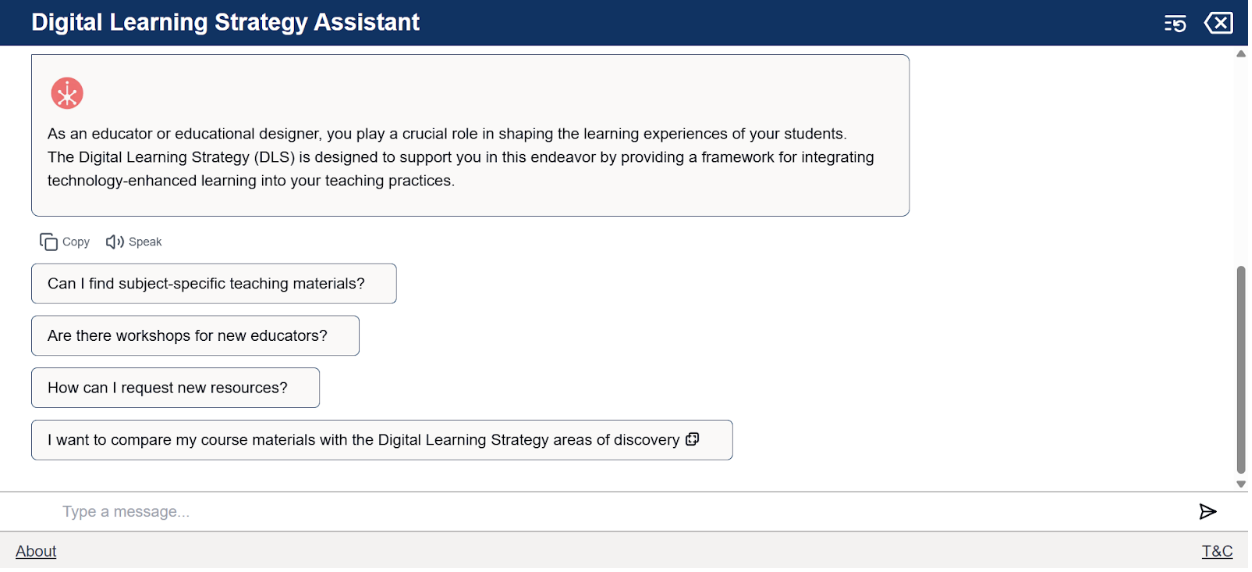 This prototype explores how Large Language Models (LLMs) can enhance digital learning by providing an accessible and interactive way for the general public, educators, and administrators to engage with the Digital Strategy Assistant (DSA). Acting as a conversational guide, the chatbot allows users to ask questions and receive tailored responses aligned with DSA principles and recommendations. This approach fosters a broader understanding of technology-enhanced learning, making digital literacy concepts and strategies more approachable and relevant across educational and public contexts. Here’s the link to the full article.
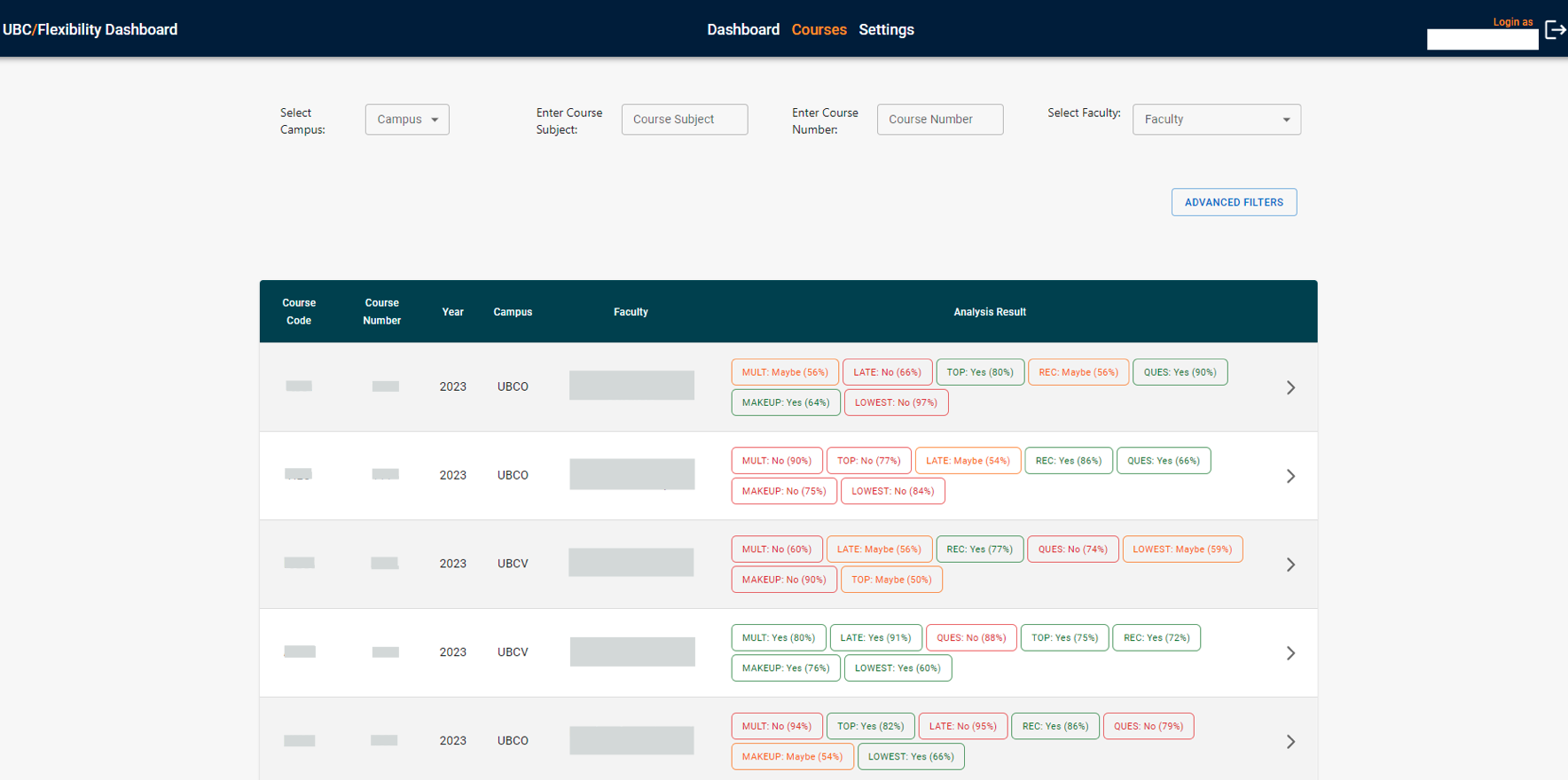 The purpose of this prototype is to gain an understanding of what level of flexibility is offered to students in courses, due to the lack of aggregate knowledge and dataset of syllabi. This prototype analyzes syllabi using machine learning to determine the flexibility of courses, and displays the results on a dashboard. Here’s the link to the full article.
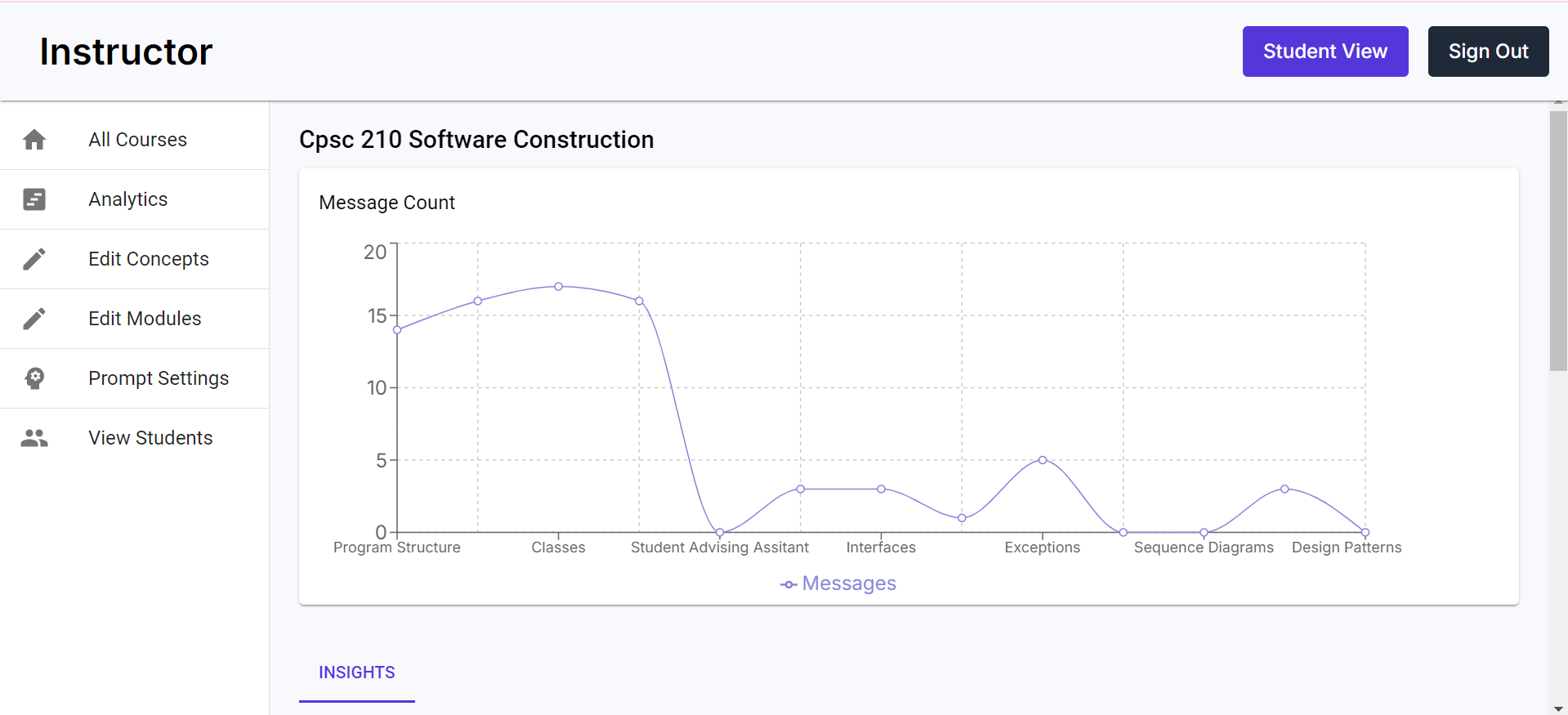 This prototype explores how Large Language Models (LLMs) can enhance education by offering a personalized and adaptive learning experience. The LLM complements an instructor’s role by providing tailored feedback, identifying knowledge gaps, and recommending targeted resources to students. This approach resonates with the core principles of personalized education, transforming the learning experience into a journey of self-discovery and growth. Here’s the link to the full article.